




Advanced technology at our accredited stroke center shows your stroke’s origin for fast treatment. This minimizes risk of disability so you can get back to your daily activities with family and friends.
Willis Knighton Health
Stroke Centers
Time is brain and your brain is precious. A healthy brain helps you think clearly, move freely and live life fully. We’re on a mission to protect your brain.

Our approach to stroke care
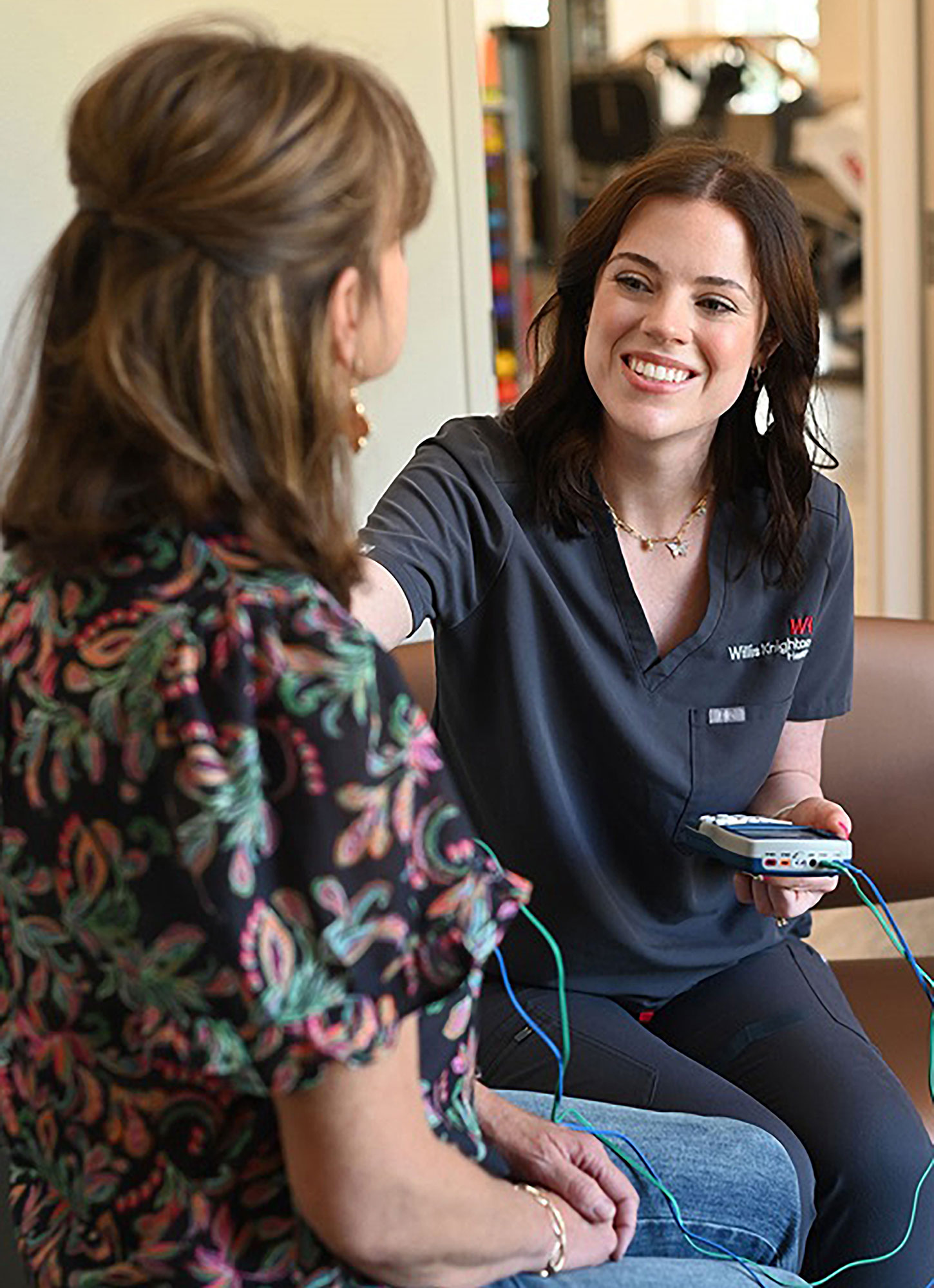
Patient-focused care for stroke means we provide treatment and support for you every step of the way. From quick diagnosis to treatment to rehabilitation, our stroke team helps you regain your strength, independence and quality of life. Your health and comfort matter to us.
BE FAST
Recognize stroke symptoms so you can get to an emergency room quickly for the lifesaving care you need.
Balance dizzy, unsteady
Eyes vision loss
Face drooping
Arm weakness
Speech difficulty
Time to call 9-1-1
If you or someone nearby is having these symptoms, call 9-1-1 immediately. First responders get there quickly and immediately start sharing information with the emergency room. A person with the symptoms above should never try to drive a vehicle. The best way friends or family can support someone having a stroke is to call 9-1-1 and stay by their side.
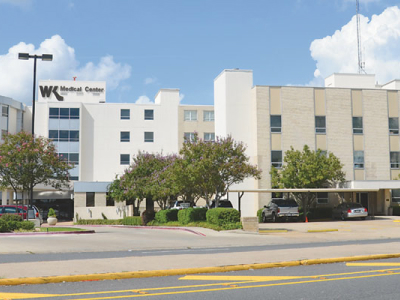
Accredited stroke centers are located at Willis Knighton Pierremont and Bossier with the same protocols followed at each hospital emergency room.
What is a stroke?
A stroke happens when blood flow to the brain decreases or stops, which can cause damage to brain cells. This can lead to lasting effects, such as trouble with movement, speech or memory. Quickly recognizing the signs of stroke and getting treatment reduces the risk of long-term complications.
What are the symptoms?
Willis Knighton Health uses this acronym from American Stroke Association to help you recognize the signs of a stroke-BE FAST.
Balance dizzy, unsteady
Eyes vision loss
Face drooping
Arm weakness
Speech difficulty
Time to call 9-1-1
What are the risk factors for stroke?
Although you can have a stroke without any risk factors, having any combination of these risk factors makes a stroke more likely:
- High blood pressure
- Smoking
- Poor diet (high in trans-fat and saturated fat; low in vegetables and fibers)
- Limited exercise/activity
- Illegal drug use
- Pregnancy
- Preeclampsia
- Migraine headaches
- Birth control
- Hormone replacement therapy long-term
- Cardiovascular disease
- Sleep apnea
- Chronic depression/anxiety
Stroke Center Patient Stories
Share