




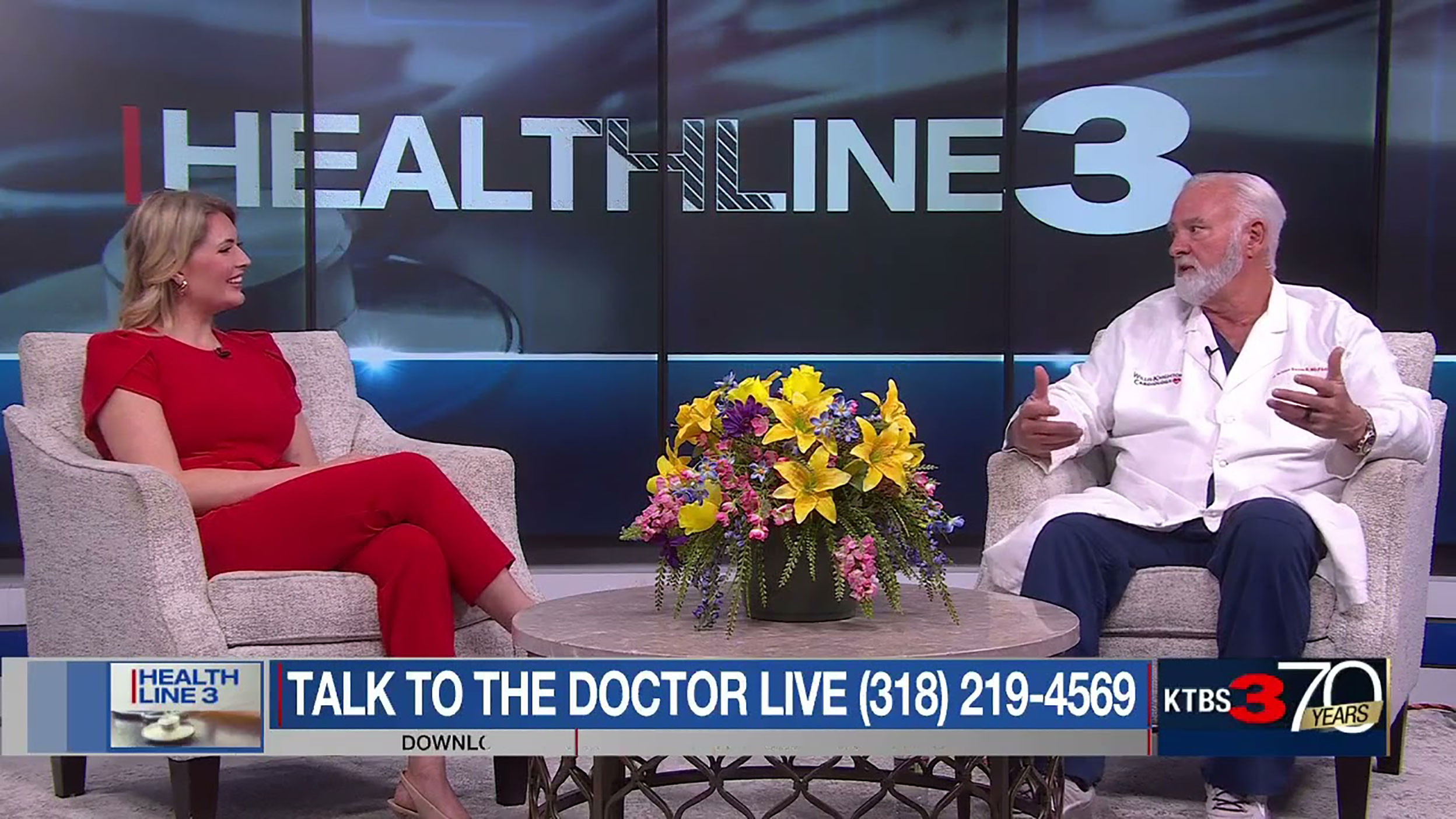
Dr. William B. Eaves, II discusses Peripheral Vascular Disease (PVD/PAD) on KTBS Healthline 3
July 4, 2025
Peripheral vascular disease (PVD) is a serious condition that affects blood flow most often in the feet or legs. If left untreated, PVD complications can lead to a higher risk of amputation.
PVD is often caused by narrowed or blocked arteries that reduce blood circulation. It's more common in people with diabetes, high blood pressure, a history of smoking or a family history of vascular disease. Symptoms can include leg pain when walking, numbness or wounds that are slow to heal.
The good news? Regular physical activity and early detection can help reduce your risk of PVD. Moving your body helps improve circulation and keeps oxygenated blood flowing to your limbs.
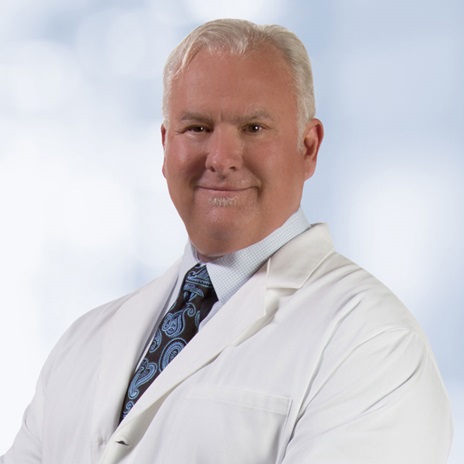
Dr. William B. Eaves, II, MD, practices interventional cardiology at Willis Knighton Cardiology Bossier.
Share


Dr. William B. Eaves, II discusses Peripheral Vascular Disease (PVD/PAD) on KTBS Healthline 3
July 4, 2025
Peripheral vascular disease (PVD) is a serious condition that affects blood flow most often in the feet or legs. If left untreated, PVD complications can lead to a higher risk of amputation.
PVD is often caused by narrowed or blocked arteries that reduce blood circulation. It's more common in people with diabetes, high blood pressure, a history of smoking or a family history of vascular disease. Symptoms can include leg pain when walking, numbness or wounds that are slow to heal.
The good news? Regular physical activity and early detection can help reduce your risk of PVD. Moving your body helps improve circulation and keeps oxygenated blood flowing to your limbs.
Dr. William B. Eaves, II, MD, practices interventional cardiology at Willis Knighton Cardiology Bossier.
Share