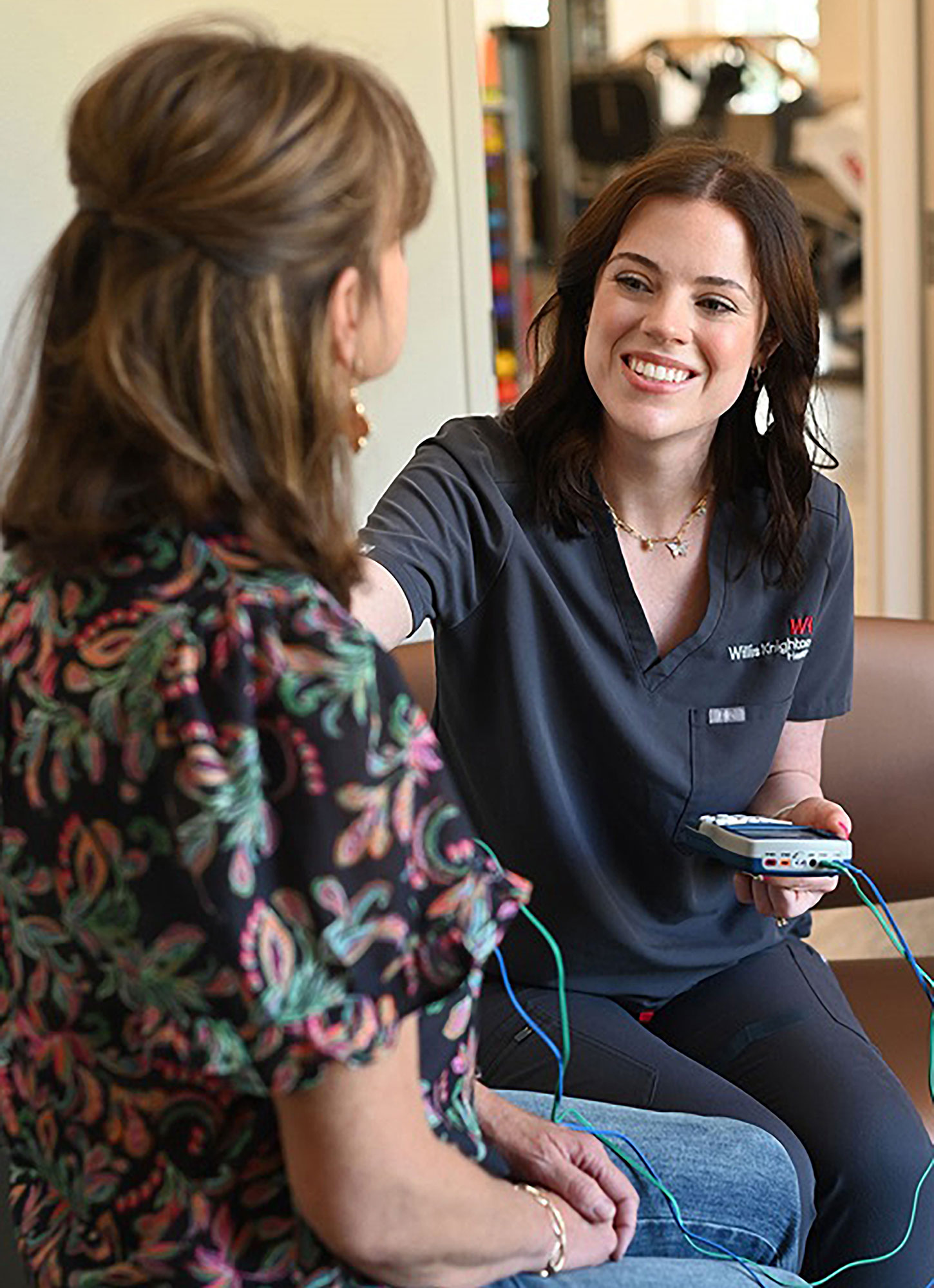
By participating in clinical trials/research, you may be assisting in important scientific information for developing new disease treatments and further medical knowledge.
There may be risks with any clinical trial/research study. Risks and benefits are reviewed in detail during the informed consent process. You are encouraged to ask questions throughout the consent process and during the study. There are no guarantees that the drug or device being studied will be effective. The principal investigator or study coordinator will explain the potential risks and the potential benefits before you sign the consent form and join the study.
A human subject is a volunteer participant who is or becomes involved in a clinical trial/research study. Those who volunteer can be someone healthy or someone with a particular medical condition.
Informed consent is required for participation in all clinical trials/research studies involving human subjects. Individuals are given information about what is involved in the study, including possible risks and benefits. All participants are encouraged to ask as many questions as they like. Here are some examples of the type of questions to consider before signing a consent form:
What is the purpose of the study?
What type of tests and treatments are involved?
Are there any costs involved?
What are the potential side effects?
How could this affect my daily life?
What is involved and for how long?
What other choices do I have?
What are the advantages and disadvantages of participation?
Physicians and researchers must follow the same ethical and legal codes they follow during routine care. Each clinical trial/research study is reviewed and approved by an Institutional Review Board (IRB) to ensure Human Subjects Protection. Potential risks and benefits of the study are detailed in the Informed Consent of the study and reviewed with you by your research team.
A blinded study is done so that neither the researcher’s nor the participant’s expectations about the experimental treatment can influence the study results.
In a single-blinded study, participants do not know whether they are in an experimental group or a control group. In a double-blinded study, neither the participants nor the researchers know which participants are in a group.
In a controlled study, participants are assigned either to an experimental group or to a control group. The experimental group is given the experimental treatment under study. Participants in the control group are used as a standard for comparison, given either the standard treatment for the illness or a placebo. At the end of the study, the results of the two groups are compared.
Research subjects are randomized in clinical trials so that bias does not weaken the study results. Bias refers to human choices, beliefs or any other factor besides those being studied that can affect a clinical trial's results. If physicians or participants themselves choose the group, assignments might be personally influenced and therefore unevenly slanted toward one side or the other.
Study participants in the experimental group receive the drug, device, treatment or intervention under study. This occurs only after careful review of the study with the participant and obtaining informed consent.
A treatment trial tests new treatments. Examples of these could be a new drug or a new approach to surgery or radiation therapy. New combinations of treatments or methods may also be tested.
A prevention trial tests new approaches that doctors believe may lower the risk of a condition. Examples include medicines, vitamins, minerals or other supplements.
A placebo is an inactive agent used for testing against the active drug. The results of the active compound are compared with the placebo to better understand the actions of the active drug.
Yes. Participation in a research study is completely voluntary, and you may leave at any time for any reason. The principal investigator may withdraw you from the study if new potential risks are reported or if you are no longer benefiting from the treatment.
This information is provided at the beginning of the clinical trial/research study and at the time of consent. You will be given reminders throughout your participation period.
Our team of physicians and researchers are here to partner with you throughout your clinical trial by providing knowledgeable, compassionate and state-of-the-art care, creating better outcomes for tomorrow.