






Bariatric Weight Loss Surgery Procedures Offered
Bariatric Surgery
Our program offers two types of bariatric procedures: sleeve gastrectomy and gastric bypass. Both work by limiting the amount of food you can eat and cause changes in gut hormones, which impact hunger, food cravings and blood sugar control.
Sleeve Gastrectomy
During the procedure, the surgeon creates a small stomach “sleeve” that is about the size of a banana by using a stapling device. The remaining portion of the stomach is then removed.
How does it work?
The gastric sleeve works primarily by restriction. The surgery removes 55% to 65% of your stomach. Restriction combined with healthy eating habits leads to weight loss.
Decreasing the size of your stomach also reduces the amount of ghrelin (the hunger hormone) released from your stomach. Your diet modifications will require you to take daily multivitamins for life.
Pros:
- Straightforward operation with less surgical risks compared to other bariatric procedures
- Less risk of malnutrition/vitamin deficiencies
- Low risk for dumping syndrome
Cons:
- Risk of increased acid reflux
- Risks of surgical intervention (bleeding, infection, staple line leaks, etc.) although low are still present
- Potential for ulcers
Gastric Bypass (Roux-en-Y)

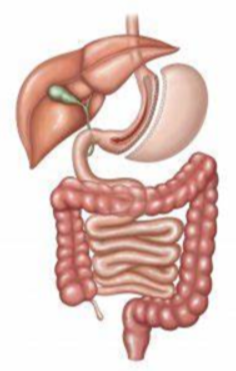
How does it work?
The Roux-en-Y gastric bypass works by both restriction and malabsorption. During the surgery, your stomach is created into a small pouch. The remaining portion of your stomach is stapled shut and separated from your small pouch. Then your small intestine called jejunum is brought up and connected to your small pouch, which bypasses a portion of your small intestine.
When you eat, you get full quickly due to the small pouch (restriction). Bypassing a portion of your small intestine leads to decreased absorption of calories and nutrients (malabsorption).
Decreasing the size of your stomach also reduces the amount of ghrelin (the hunger hormone) released from your stomach. You will require daily multivitamins for life and routine lab monitoring.
Pros:
- Higher weight loss profile: 70% to 80% of excess weight
- Improves GERD
- Shown to help resolve or improve type 2 diabetes, high blood pressure, high cholesterol, obstructive sleep apnea and other weight related conditions
Cons:
- Risk of developing vitamin and nutrient deficiencies or anemia
- Risk of dumping syndrome
- Risk for developing ulcers
- Risk for developing bowel obstruction, anastomotic leak or bleeding
How is the surgery performed?
Robotic surgery is a type of minimally invasive surgery that uses robotic systems to help surgeons perform complex procedures with precision, flexibility and control. In this technique, the surgeon operates robotic arms from a console, which translates their hand movements into smaller, more exact movements of surgical instruments.
- Enhanced precision: Robotic arms offer better control and allow for more delicate, precise movements than the human hand.
- Minimally invasive: Typically involves smaller incisions with less pain, reduced blood loss and quicker recovery times, which leads to short hospital stays.
- 3D visualization: The robotic system provides the surgeon with a high definition, magnified 3D view of the surgical area, improving accuracy.
NOTE: Bariatric surgery is not for everyone. Our goal is to share all the information available to make an informed decision. We cover what procedures are available to you and who is a candidate for bariatric surgery.
If you are not a candidate for surgery, please contact us about our nonsurgical weight loss program at 318-212-6940.

Meet Our Bariatric Surgeon